How a genre gets forgotten
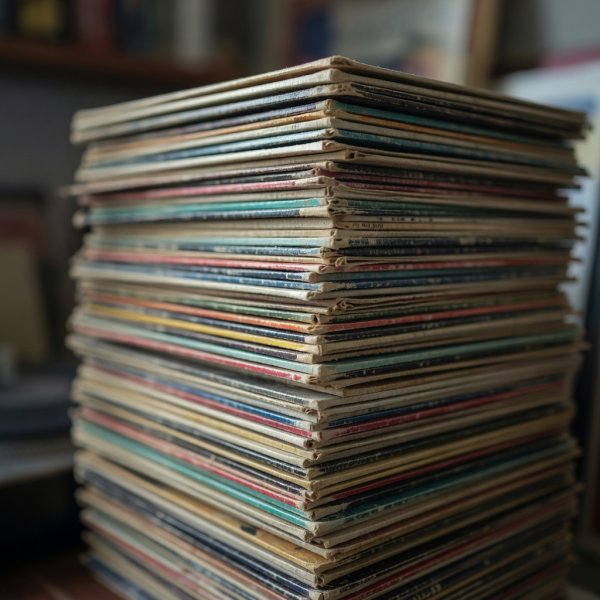
Genres rarely die because the music was bad. They fade because the records were pressed in small runs, sold in one country, made for a purpose other than sale, or simply went out of fashion before anyone wrote them into the history books. Then, years later, a collector finds a stack in a warehouse, a producer samples a break, a reissue label licenses the masters, and suddenly a whole style is alive again.
Below are eight that we keep coming back to. Each row gives you the basic idea and a record to start with.
- Library music
- Zamrock
- Anatolian rock
- City pop
- Minimal wave
- Exotica
- Sunshine pop
- Italo disco
- UK · Italy
Library music
Production music recorded for TV, film and advertising, licensed to producers and never sold in shops. Labels like KPM and De Wolfe hired top session players, and composers such as Alan Hawkshaw and Keith Mansfield wrote funky, cinematic cues by the hundred. In Italy, Piero Umiliani made library records that are now prized by collectors. Hip-hop producers mined these LPs for breaks for decades.
- Zambia
Zamrock
In 1970s Zambia, young bands mixed fuzz guitars and garage-rock energy with local rhythms. WITCH (short for We Intend To Cause Havoc) were the stars; Amanaz's Africa (1975) is a perfect starting point. Original pressings were tiny, so reissues are how most people hear it.
- Turkey
Anatolian rock
Turkish musicians fused psychedelic rock with folk melodies and the saz. Erkin Koray is often called a pioneer of Turkish rock, while Selda Bağcan's protest-tinged records and Cem Karaca's work with Moğollar are essential.
- Japan
City pop
Glossy, jazz-inflected Japanese pop from the late 1970s and 1980s. Tatsuro Yamashita's For You (1982) and Mariya Takeuchi's "Plastic Love" (1984) found huge new audiences online decades after release.
- Europe · US
Minimal wave
Cheap synths, drum machines and home recording in the late 1970s and early 1980s produced cold, catchy, often self-released records. Veronica Vasicka's New York label Minimal Wave has spent years tracking down and reissuing them.
- US
Exotica
Mid-century American lounge music dreaming of faraway islands. Les Baxter's Ritual of the Savage (1951) and Martin Denny's "Quiet Village" (1959), complete with bird calls, are the classics. Kitsch, yes, but beautifully recorded.
- US
Sunshine pop
Late-1960s harmony pop with lush arrangements. Sagittarius' Present Tense (1968), produced by Gary Usher with Curt Boettcher, and the records of The Free Design sound like a sunnier alternate history of the decade.
- Italy
Italo disco
Synth-heavy European dance pop from the early 1980s. Klein + M.B.O.'s "Dirty Talk" (1982) influenced early house producers in Chicago; Gazebo's "I Like Chopin" (1983) was a continental hit.
Eras and genres at a glance
| Era | Genre | Where | Start with |
|---|---|---|---|
| 1950s | Exotica | United States | Martin Denny — "Quiet Village" |
| 1960s–70s | Library music | UK, Italy, France | KPM 1000 series LPs |
| Late 1960s | Sunshine pop | United States | Sagittarius — Present Tense |
| Late 1960s–70s | Anatolian rock | Turkey | Selda Bağcan — Selda (1976) |
| 1970s | Zamrock | Zambia | Amanaz — Africa |
| Late 1970s–80s | City pop | Japan | Tatsuro Yamashita — For You |
| 1979–1985 | Minimal wave | Europe, US | Minimal Wave label compilations |
| Early 1980s | Italo disco | Italy | Klein + M.B.O. — "Dirty Talk" |
Getting into a genre without getting lost
The fastest way into an unfamiliar style is a well-curated compilation. Somebody has already listened to hundreds of obscure records and chosen the best twenty. Labels like Numero Group, Light in the Attic, Soundway and Finders Keepers write proper liner notes, too, so you learn the names worth following.
Once a compilation hooks you, pick the two or three artists you liked best and find their full albums. That's where the real depth is. Then check who produced them and which label released them, and keep going. One genre a week is plenty; let it sink in before moving on.
For the places these styles grew up, see local scenes around the world.